
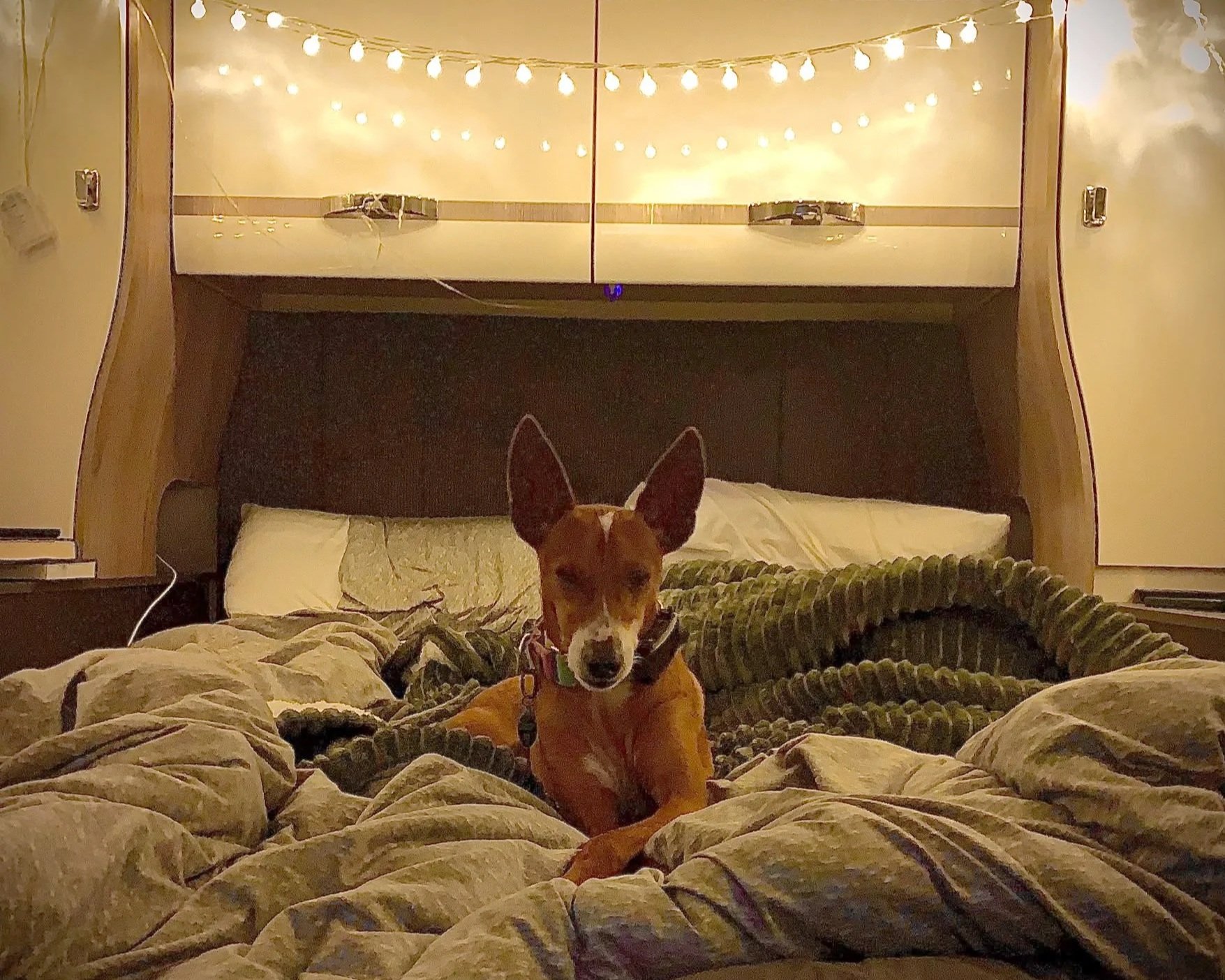
Bambi after arriving in the UK.
At Hope for Podencos, we love helping our dogs find their families and put a lot of time and thought into helping people find their match, but we know that not everyone who follows us will adopt through us, and that is absolutely fine. There are so many Podencos waiting for homes, and whenever one finds the right family through a responsible rescue, it is something to celebrate!
Perhaps you have spotted a dog through another charity, been introduced to a rescue by a friend or fallen for a pair of ears while scrolling through an adoption group. Wherever your search takes you, we want you to feel confident about the people supporting you and the dog you are welcoming into your life.
It is easy to focus on the dog, especially when their story has touched your heart, but getting to know the rescue is an important part of the decision too. Here are some things we would encourage anyone thinking about adopting a Podenco to explore.
Understand what rescue back-up really means.
Nobody adopts a dog expecting to need another home for them, but circumstances can change and sometimes, despite everyone’s best efforts, an adoption does not work out. Knowing what support would be available is something to establish before you find yourself needing it.
Ask whether the rescue provides full rescue back-up for the lifetime of the dog, and what that means in practice. Who would you contact if you were struggling? Who would take responsibility for arranging another placement if it became necessary? What could they do if the situation were urgent? We believe every adopter should have lifelong rescue back-up, so it’s worth asking any rescue about it before you commit.
Finding a suitable foster or adoptive home can take time, so rescue back-up should not be confused with a guarantee that a dog can be collected immediately. What matters is that there is a clear commitment, a realistic process and someone taking responsibility alongside you, rather than leaving you to find a solution alone.
If another organisation provides the back-up, ask who they are and make sure the arrangement is confirmed. It should also be clearly reflected in your adoption agreement.

Rescue back up post for Rusty
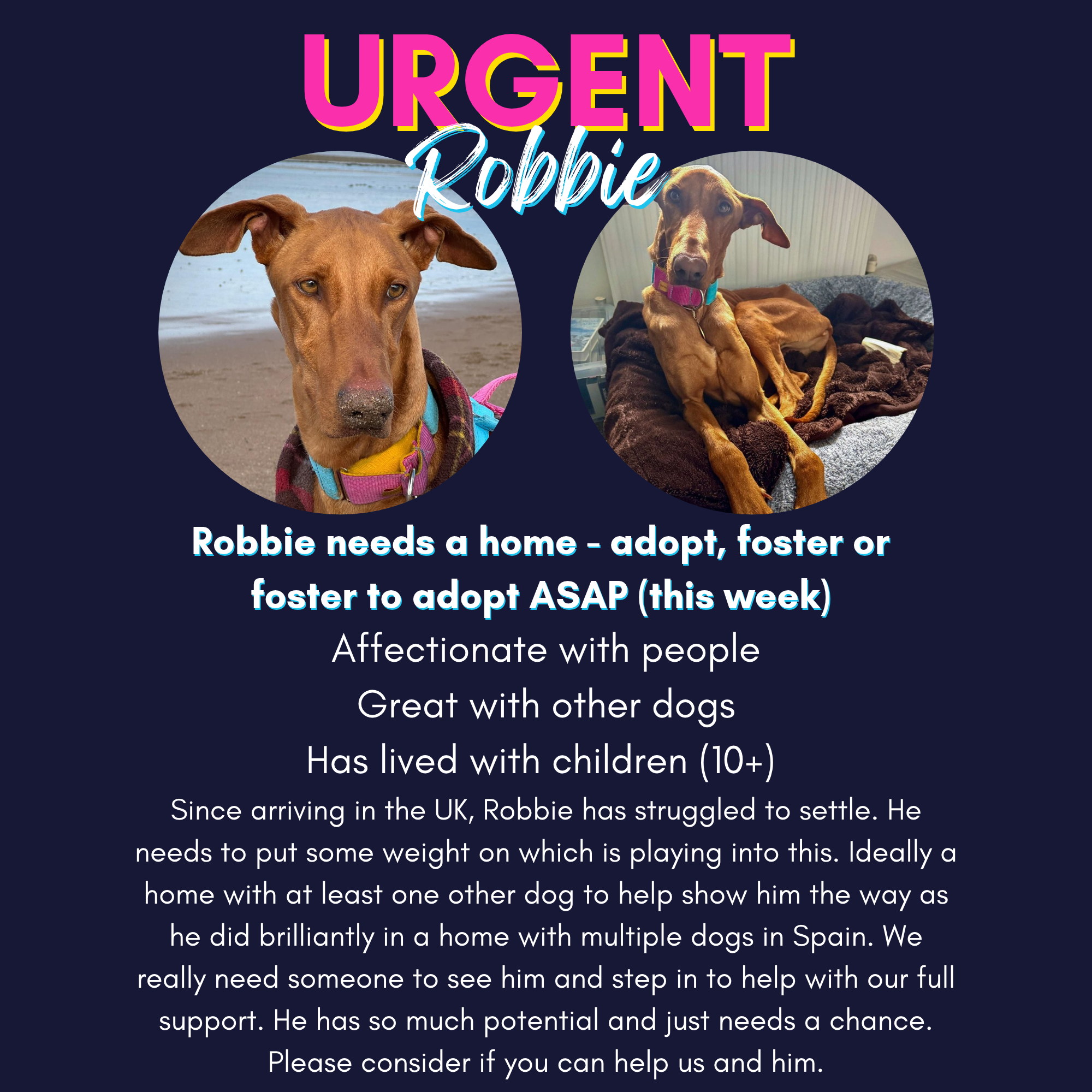
Rescue back up post for Robbie
Look for a rescue that wants to get to know you.
A thoughtful adoption process should involve conversations about your home, routine, family, other animals and experience, as well as what you are hoping for from life with a dog. Ideally they should also talk to you about the breed in general as well as the specific dog in question.
It might sometimes feel as though you are being asked a lot of questions or lots of information is being shared, but those conversations help a rescue understand which dog could be happy in your home and what support you might need. A home check is another opportunity to talk through the practicalities and prepare together.
You should also feel comfortable being honest. If you need a dog who can eventually manage some time alone, have a cat or live somewhere busy, sharing that helps everyone make a more informed decision.
A rescue may sometimes suggest a different dog from the one you first enquired about, or explain why a particular match is unlikely to work. That can be disappointing, especially if you have already started imagining them on your sofa, but taking the time to find the right fit gives everyone a better chance of a happy adoption.
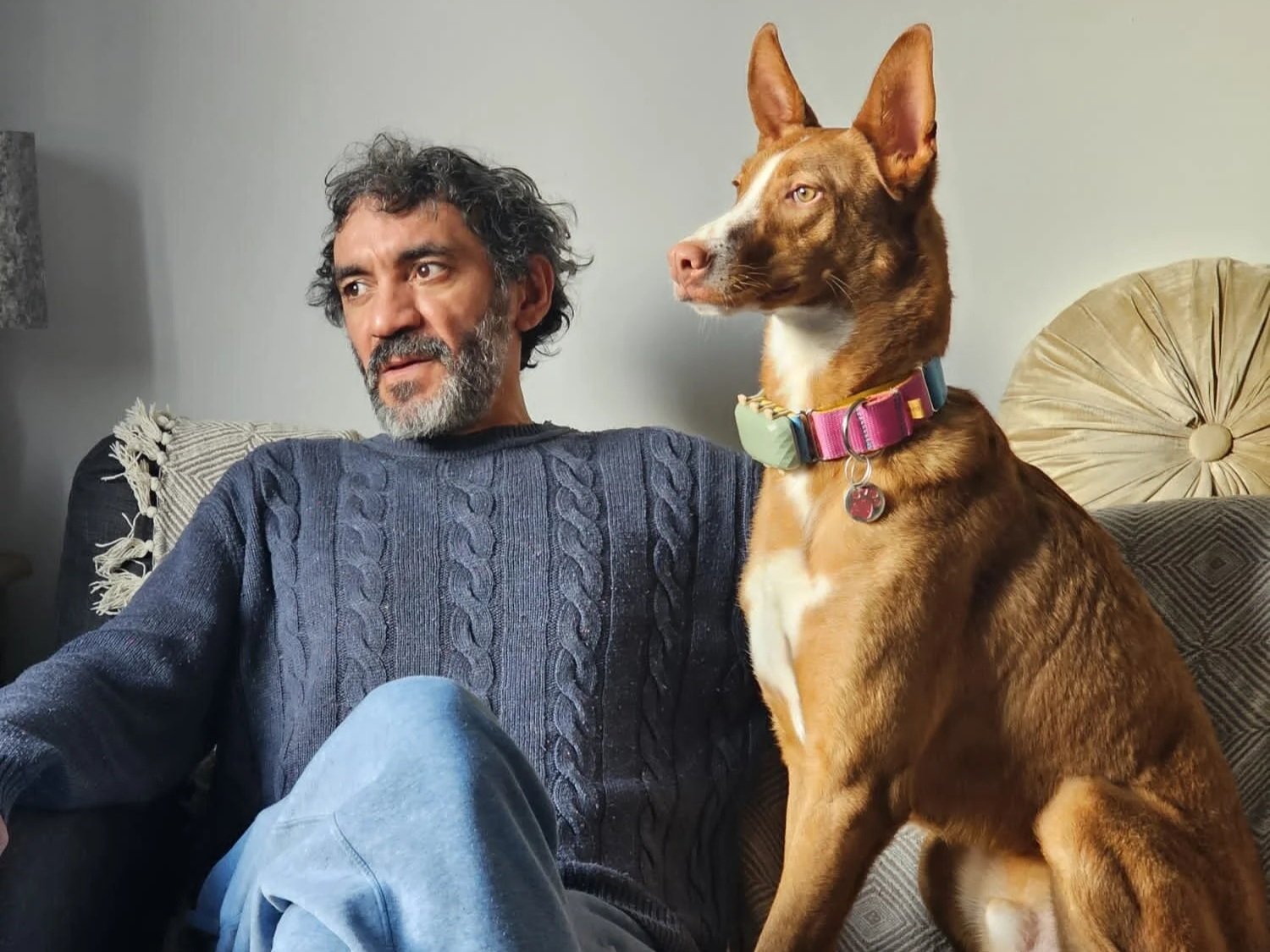
Sonny learning its OK to bond with Dad as well as mum!
Ask about the dog behind the photographs.
Photos and videos can tell us plenty about how lovely a dog is, but there is much more to understand before bringing them home.
Ask what the rescue knows about their personality, confidence, relationships with other dogs and any behaviours they need help with. Have they spent time in a home, or have their assessments been made in kennels? How do they respond to unfamiliar people, handling or being left alone? If they have been assessed around cats or children, what did that involve?
There will often be gaps in a rescue dog’s history, and their behaviour may change as they settle into a new environment. A rescue cannot promise exactly how a dog will behave in your home, but they should be open about what they have observed, what remains unknown and what that could mean for you.
You want to hear about the things that may take patience as well as the things that make everyone love them. That honesty helps you prepare and gives the dog a fairer start.

Riley showing his cheeky side - we have ourselves a climber!
Understand their health and testing history.
Before committing to an adoption, ask what veterinary checks and disease testing have been carried out, when they were done and whether you can have copies of the results.
For dogs coming from Spain, this should include a discussion about mediterranean infections such as Leishmaniasis, Ehrlichiosis, Filaria (heartworm), Anaplasma and Babesia as well as any other testing recommended by the rescue’s vet. A rescue should be clear about which blood tests were taken and which diseases were checked for, and be happy to talk you through the results and share them before you confirm an adoption.
Testing also has limitations, so ask whether your own vet should arrange any follow-up tests after arrival.
Ask specifically about Brucella Canis testing too, and speak to your intended UK veterinary practice before adoption about its requirements. The British Veterinary Association recommends testing before dogs are imported, and many practices have testing policies for dogs who have come from overseas.
Your rescue might also do a more general health MOT – full blood count or similar blood testing, dental check and clean where necessary and a check over for any lumps or bumps or muscular skeletal concerns.
Alongside test results, you should receive information about any known health conditions, previous treatment, current medication and anticipated ongoing care. Having a health condition does not automatically mean a dog cannot be the right match for you, but you need enough information to discuss their needs with your vet and understand the commitment involved.
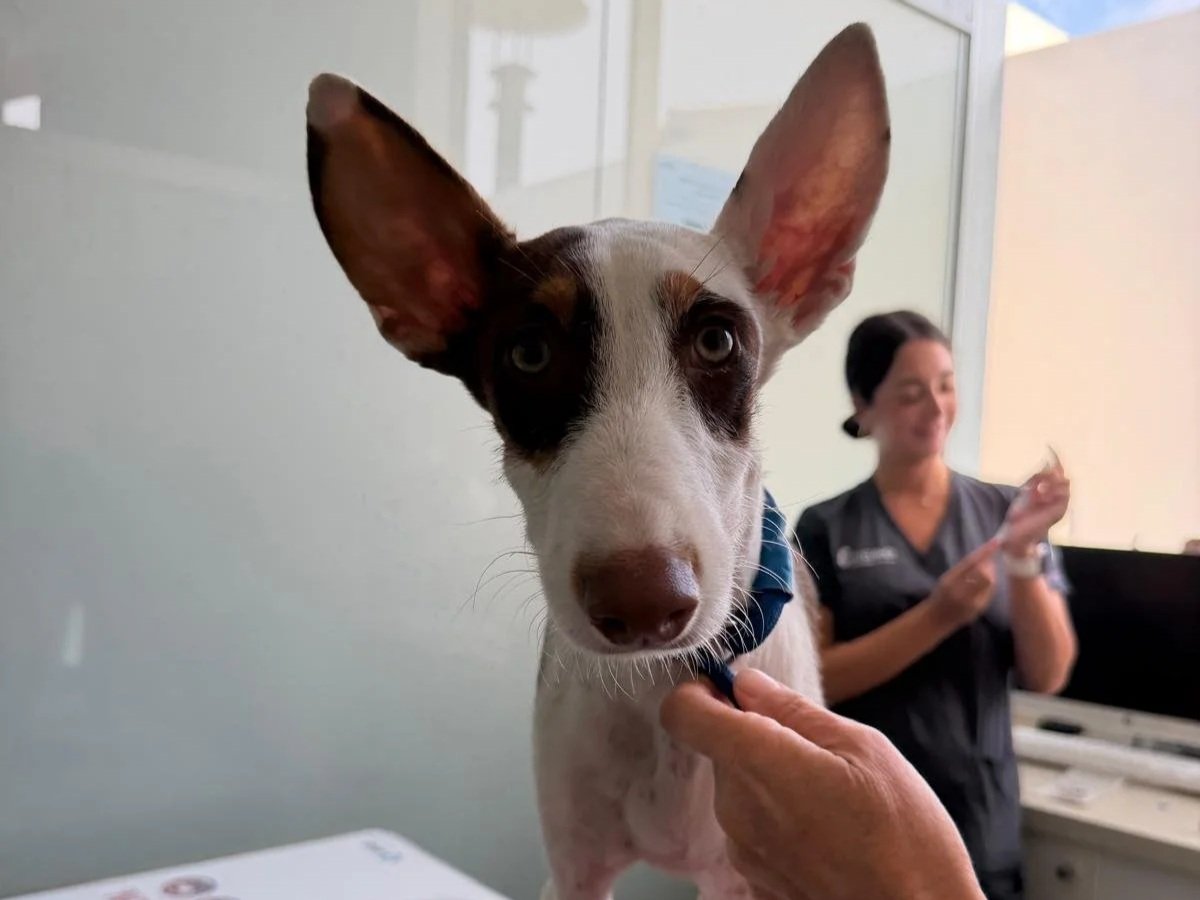
Jill getting her vet check up, ready for her bloods to be taken
Find out how you will be supported.
There is a lot to think about before a new dog arrives, and having someone help you prepare can make the whole experience feel more manageable.
Ask what guidance the rescue provides on equipment, safe collection and travel home, preparing your house and garden, introducing resident dogs and helping your new arrival settle. Advice should take account of the individual dog and your circumstances, with time for you to ask questions before collection day.
It is just as important to understand what happens afterwards. Will you have a named contact? Are there follow-up conversations? Is help available with behaviour and settling in?
An adopter group can be a lovely source of reassurance and shared experience, but you should also know how to reach someone directly if you need help. Even experienced dog owners can find themselves navigating something unfamiliar, and being able to talk it through with someone who understands Podencos can make a real difference.
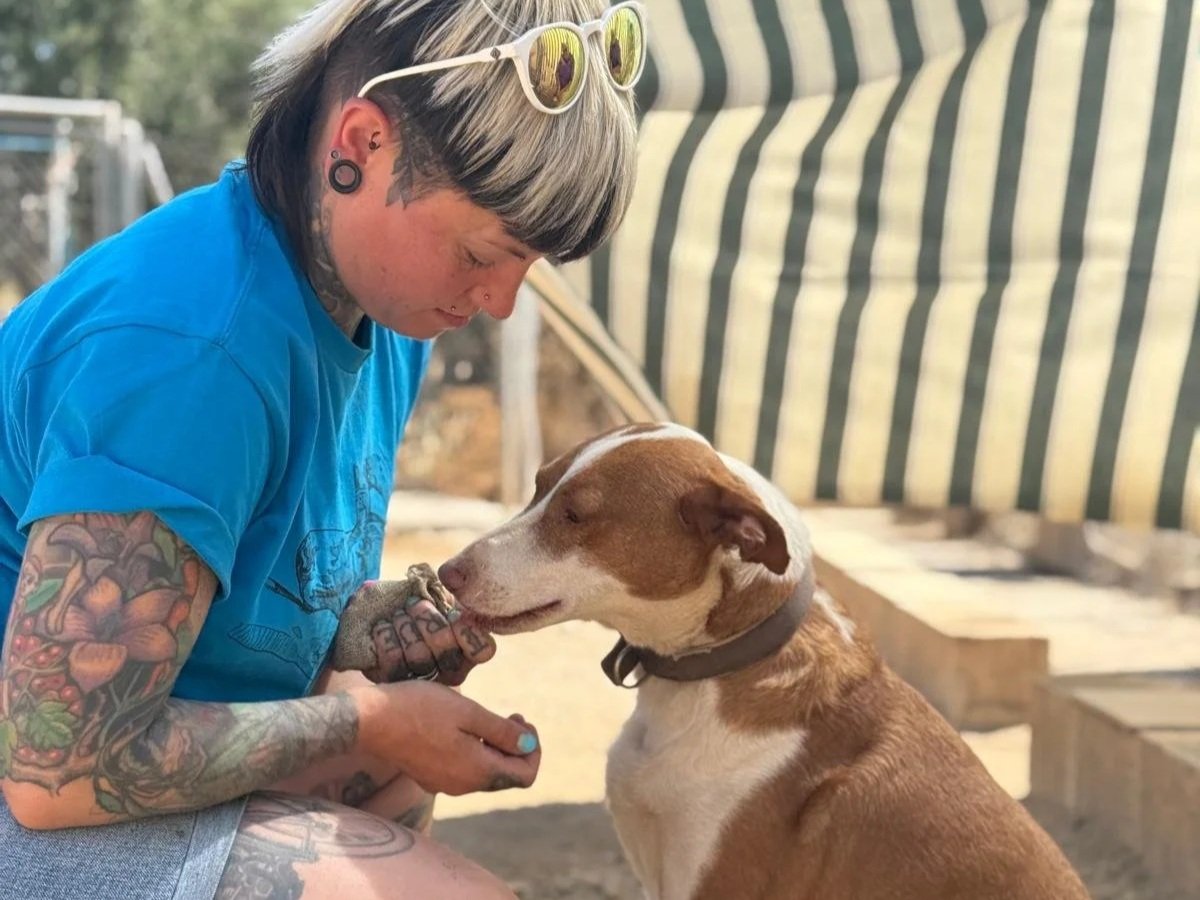
Jacks our trainer meeting Lucky in Spain.
Hear from people who have already adopted.
Looking at updates from existing adopters can help you get a feel for a rescue and its community. You might also ask whether the team can put you in touch with someone who is happy to share their experience.
As well as asking how the adoption itself went, ask what happened afterwards. Did they feel prepared? Was the information about their dog helpful and honest? If they needed support, how did the rescue respond?
Every adoption is different, and a difficult settling-in period does not necessarily mean anyone has done something wrong. What is useful to understand is how the rescue communicates and supports people when things need a little more work.
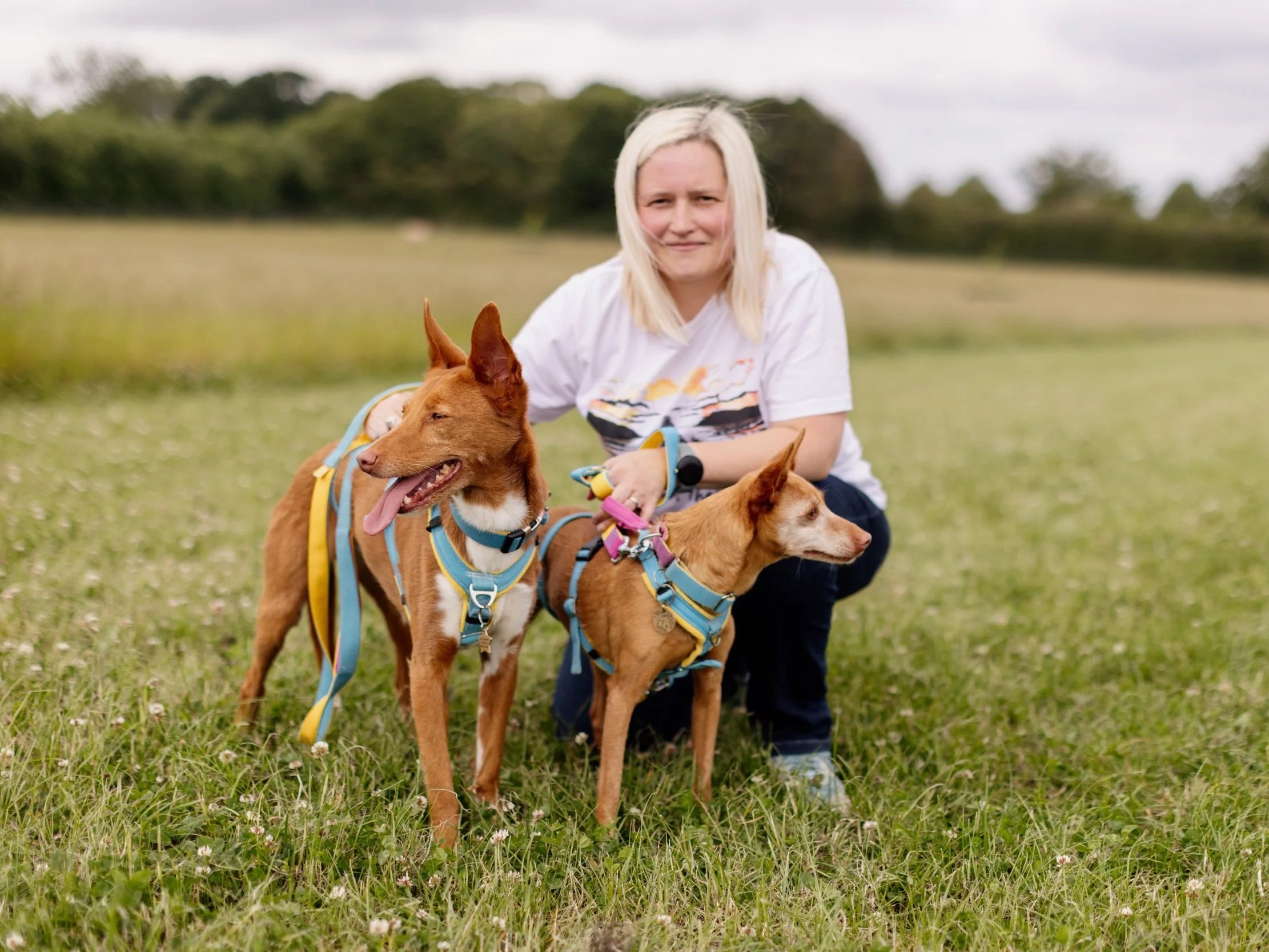
Kerry - Trustee, Treasurer, Foster and of course adopter of podencos!
Read the agreement and understand the costs.
Before making a commitment, you should have a written adoption agreement that clearly explains your responsibilities and those of the rescue. This should cover rescue back-up, what happens if you can no longer care for the dog and any conditions relating to matters such as neutering.
Ask for a clear explanation of the adoption fee and what it includes, along with any additional costs you will need to plan for. If your dog is travelling from Spain, the rescue should also be able to explain the transport arrangements, the documentation you will receive and how collection will work.
Give yourself time to read everything and ask about anything that is unclear. You should feel comfortable with the arrangement before signing or paying.
Give yourself time to decide.
We know how hard it can be to see a dog waiting for a home, particularly when their story is heartbreaking. Wanting to help is often what brings people to rescue in the first place.
That feeling deserves space alongside an honest conversation about whether you can meet the dog’s needs and whether you feel confident in the rescue supporting you. You should be able to ask reasonable questions, talk things through with your household and take the time you need without feeling guilty or rushed.
There are many dedicated people working incredibly hard for Podencos, often with limited resources and alongside jobs and families. Whatever a rescue’s size or setup, openness, thoughtful matching and a clear commitment to its dogs and adopters are what really matter.
Whether your Podenco comes from Hope for Podencos or another responsible rescue, we will always be happy to see another of these wonderful dogs finding their family. Our hope is that you begin that journey feeling informed, prepared and supported, with the best possible chance of a happy life together.
You can learn more about the our process, the support we provide and of course a link to our dogs looking for their forever home on our Adopt with us page.
Avec beaucoup d'amour ! L'équipe HFP xxx
Article rédigé par Gemma Eley