
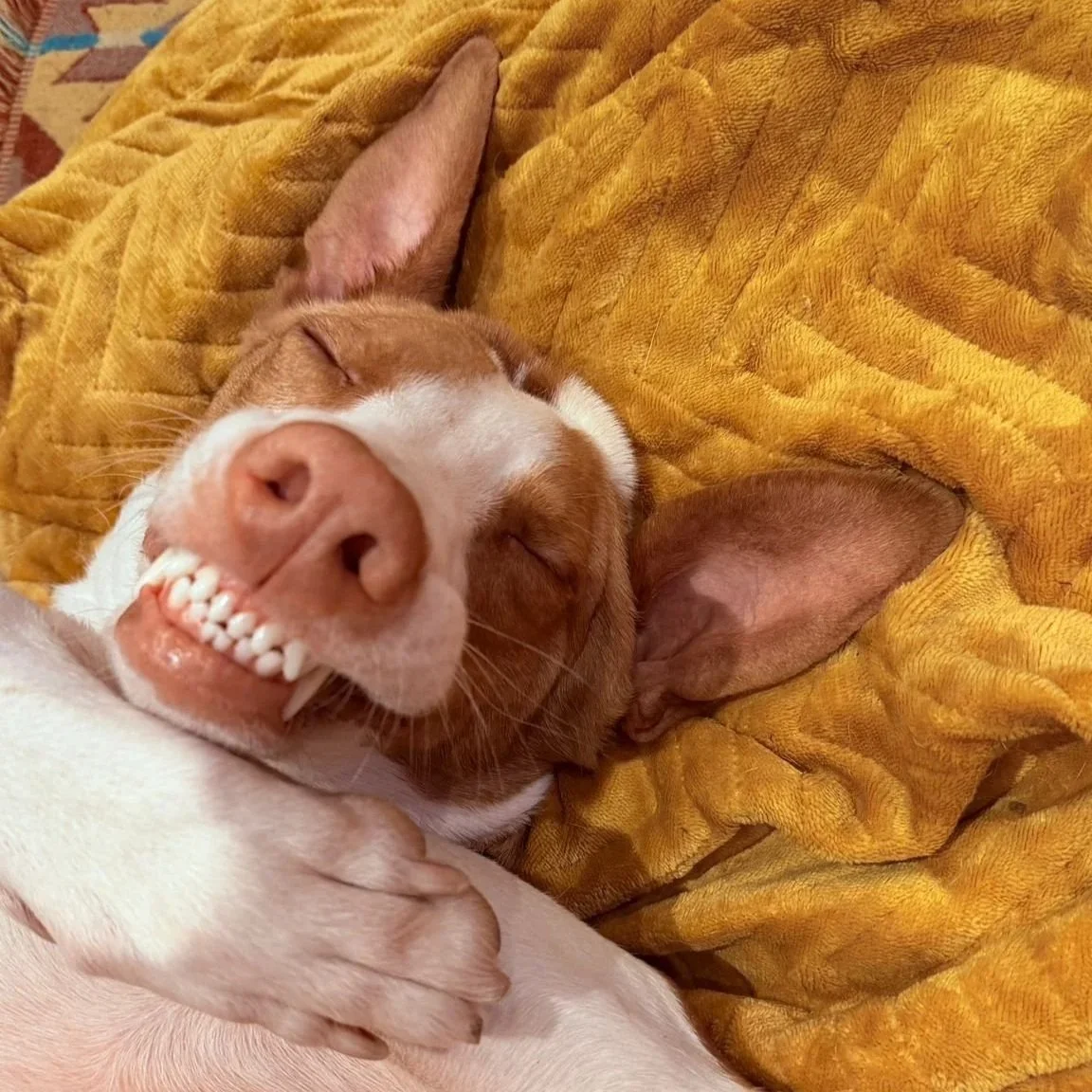
Das Podenco-Lächeln – Scooby zeigt seine perlweißen Zähne!
Der nächste Beitrag in unserer Blog-Reihe zum Thema „Podenco-Gesundheit“ befasst sich mit der Pflege gesunder Zähne und Krallen – ein Thema, zu dem wir häufig Fragen erhalten!
Wie immer sollten Sie bei Bedarf Ihren Tierarzt konsultieren – nichts kann eine direkte Untersuchung Ihres Hundes durch einen ausgebildeten Fachmann ersetzen.
Zähne
Man sagt, man könne das Alter eines Hundes am Zustand seiner Zähne erkennen. Das mag früher durchaus gestimmt haben, doch da Zahnpflege heute leichter zugänglich ist als je zuvor, können Hunde ein hohes Alter erreichen und trotzdem noch perfekte, strahlend weiße Zähne haben!
Wenn Sie einen Welpen adoptieren, ist es eine gute Idee, von Anfang an so weiterzumachen, wie Sie es sich vorgenommen haben, und regelmäßig (idealerweise täglich!) die Zähne zu putzen. Das ist Ihre beste Chance, dass Ihr Hund sein makelloses Lächeln behält. Wir wissen jedoch, dass Podencos – je nachdem, in welchem Alter sie gerettet wurden – möglicherweise viele Jahre unter schlechter Ernährung und schlechten Lebensbedingungen gelitten haben (wobei mit ziemlicher Sicherheit keine Zahnpflege stattgefunden hat!), was dazu führen kann, dass ihre Zähne bei ihrer Ankunft im „Happy Bus“ nicht so gut sind, wie sie sein könnten. Je nachdem, wie ängstlich Ihr Hund ist oder wie viel Zeit er braucht, um sich an seinen neuen Lebensstil zu gewöhnen, hängt es davon ab, wann Sie die Zahnbürste oder andere Zahnpflegeutensilien und -spielzeuge einführen sollten – wir empfehlen jedoch, dies so bald wie möglich zu tun. Möglicherweise müssen Sie einige Anleitungen zur Desensibilisierung befolgen, damit Sie dies ohne zusätzlichen Stress für Ihren Hund tun können. Sobald sich Ihr Hund an die Zahnbürste und die Zahnpasta gewöhnt hat, finden Sie hier zahlreiche Tipps, wie Sie ihm die Zähne putzen können: Zahnpflege für Hunde | Die Zahnpflege Ihres Hundes | Blue Cross
Es gibt zahlreiche Spielzeuge, Kausnacks und Nahrungsergänzungsmittel auf dem Markt, die angeblich zur Zahnreinigung beitragen. Es lässt sich nicht mit Sicherheit sagen, ob diese Mittel tatsächlich wirken, aber selbst wenn Sie sich für deren Verwendung entscheiden, sollten sie zusätzlich zum Zähneputzen eingesetzt werden und nicht als Ersatz dafür.
Es ist ebenfalls wichtig, regelmäßig das Maul Ihres Hundes zu untersuchen. So können Sie Veränderungen feststellen, die einen Tierarztbesuch oder weitere Untersuchungen erforderlich machen könnten. Bei Hunden, deren Zähne bei der Anschaffung nicht in einem optimalen Zustand sind, oder bei Hunden, bei denen sich Zahnstein bildet, ist es wichtig, Ihren Tierarzt aufzusuchen und die geeignete Behandlung zu besprechen. Bleibt Zahnstein zu lange auf den Zähnen, können Hunde eine Parodontitis entwickeln, die nicht nur oft unangenehm ist, sondern auch zu Infektionen in Organen wie Herz, Nieren und Leber führen kann.

Die Podencos zeigen stolz ihre gepflegten Krallen!
Nägel
Ähnlich wie bei den Zähnen können auch schlecht gepflegte Krallen Beschwerden verursachen und weitere Folgen nach sich ziehen. Zu lange Krallen, die den Boden berühren, üben unnötigen Druck auf die Pfoten aus und können die Form und den Aufbau der Zehen beeinträchtigen, was sich wiederum auf die Beine und die Körperhaltung des Hundes auswirken kann.
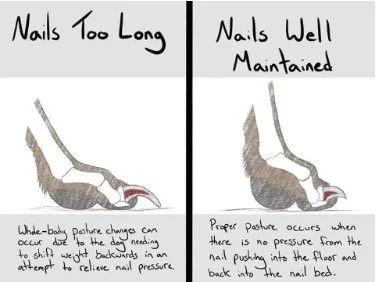
Manche Leute sagen, wenn man mit Hunden auf hartem Untergrund spazieren geht, nutzen sich ihre Krallen von selbst ab und müssen nicht geschnitten werden, aber das ist nicht immer der Fall. Ein wöchentlicher oder zweiwöchentlicher Krallenschnitt ist wahrscheinlich genau richtig, um den Überblick zu behalten.
Zunächst müssen Sie Ihre Hunde daran gewöhnen, dass man ihre Pfoten anfasst, und sie an die Nagelschere oder den Dremel bzw. die Feile gewöhnen, falls Sie eines dieser Hilfsmittel verwenden möchten. Nehmen Sie sich Zeit und setzen Sie reichlich positive Verstärkung ein. Sie können eine ähnliche Technik anwenden wie bei der Zahnbürste, die wir bereits vorgestellt haben (So schneiden Sie Ihrem Hund die Krallen: FAQ | Blue Cross).
Viele Menschen glauben, dass es keine Hoffnung gibt, die Krallen des Hundes zu kürzen, wenn die Blutbahn (die Blutversorgung im Inneren der Hundekrallen) lang ist, aber das ist ein Mythos. Selbst Tierärzte und Hundepfleger wissen das nicht immer und sagen, die Krallen Ihres Hundes seien in Ordnung, weil sie die Krallen so weit wie möglich zurückgeschnitten haben, ohne in die Blutbahn zu schneiden. Tatsächlich können Sie die Blutbahn jedoch zurückdrängen, sodass die Krallen kürzer geschnitten werden können – das erfordert zwar Zeit und Konsequenz, kann für Ihren Hund aber einen großen Unterschied machen! Wenn Sie Ihrem Hund die Krallen schneiden – unabhängig davon, ob Sie die Blutbahn zurückdrücken müssen oder nicht –, empfehlen wir Ihnen, sowohl entlang der „alternativen Schnittlinie“ als auch entlang der herkömmlichen Schnittlinie zu schneiden. Führen Sie zuerst den herkömmlichen Schnitt durch und schneiden Sie dann kleine Splitter von der Oberseite der Kralle ab, damit Sie den Hund nicht versehentlich in die Blutbahn schneiden (die Blutbahn so treffen, dass es blutet).
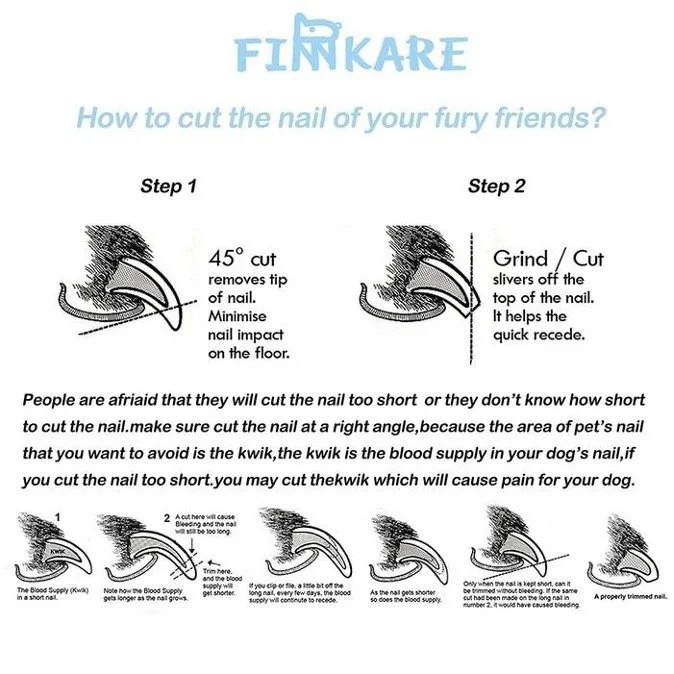
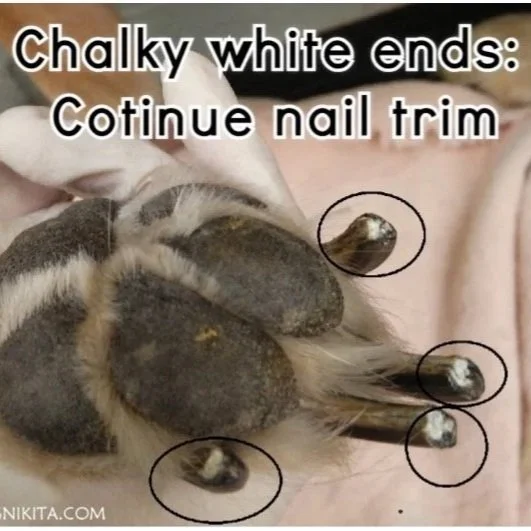
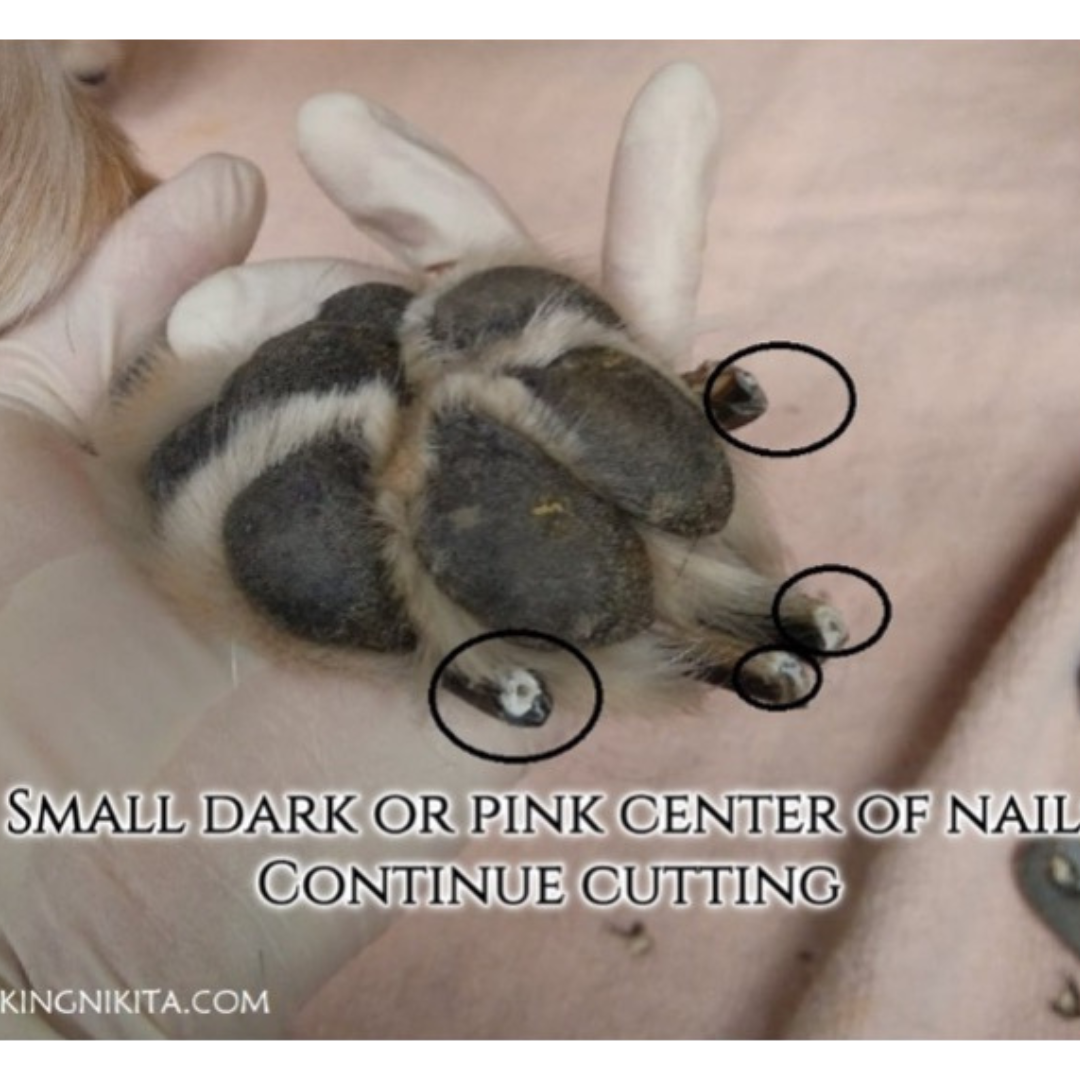
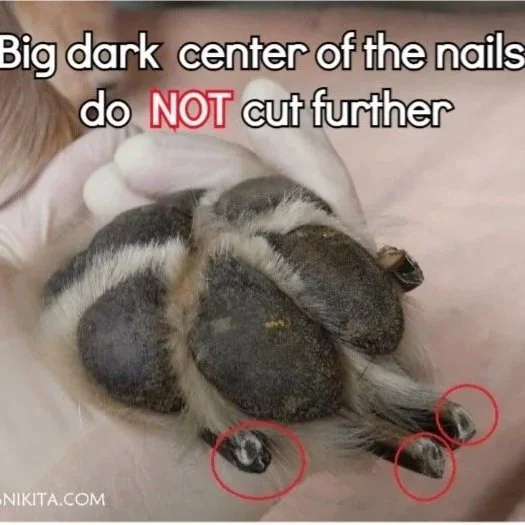
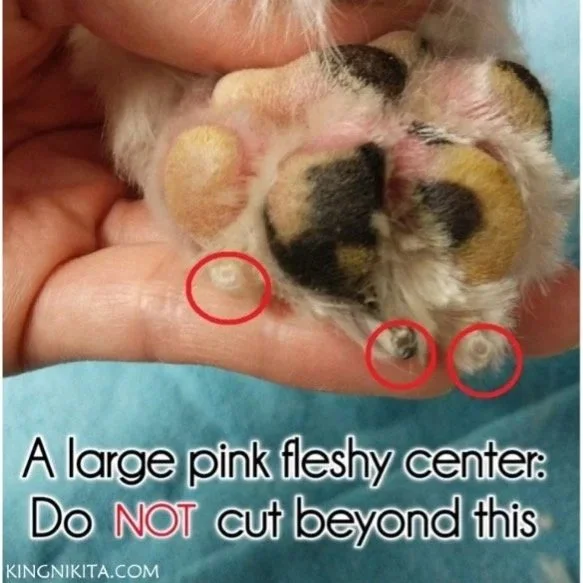
Selbst wenn Ihr Hund schwarze Krallen hat, können Sie lernen, die Kralle zu „lesen“. Dieses Video: „Layers of a dog’s nail – YouTube“ zeigt die verschiedenen Schichten einer Hundekralle, sodass Sie selbst bei einem Hund mit schwarzen Krallen erkennen können, wann Sie die Blutbahn erreichen. Die folgenden Fotos veranschaulichen zudem, wann Sie weiter schneiden und wann Sie aufhören sollten. Ein Dremel oder eine andere Nagelfeile kann ebenfalls nützlich sein, da Sie damit die Länge der Krallen ohne scharfe Klinge anpassen können, wodurch das Risiko sinkt, dass Sie die Blutbahn des Hundes verletzen. Stellen Sie jedoch sicher, dass Ihr Hund mit der Nagelfeile vertraut ist, bevor Sie versuchen, sie zu benutzen.
Für die umfassendsten Tipps zum Krallenschneiden bei Hunden empfehlen wir eine Facebook-Gruppe namens „Nail Maintenance for Dogs“. Es handelt sich zwar nicht mehr um eine „aktive“ Facebook-Gruppe, aber sie dient mittlerweile als Informationsquelle, in der Sie zahlreiche Anleitungen einsehen und auch ältere Beiträge durchsuchen können. Dort werden die Themen, die wir in diesem Blog behandelt haben, noch viel ausführlicher behandelt.
Wir würden uns sehr freuen zu erfahren, ob Ihnen diese Blogreihe gefällt und ob Sie Fortschritte beim Gewicht, bei den Zähnen oder den Krallen Ihres Hundes erzielt haben – melden Sie sich gerne bei uns! In unserem nächsten Blogbeitrag geht es um bestimmte Gesundheitsprobleme, auf die Sie bei Podencos achten sollten.
Mit viel Liebe! Das HFP-Team xxx
Artikel verfasst von Gemma Eley
Wenn Sie einen Podenco adoptieren möchten, können Sie sich hier unsere verfügbaren Hunde ansehen hier!